
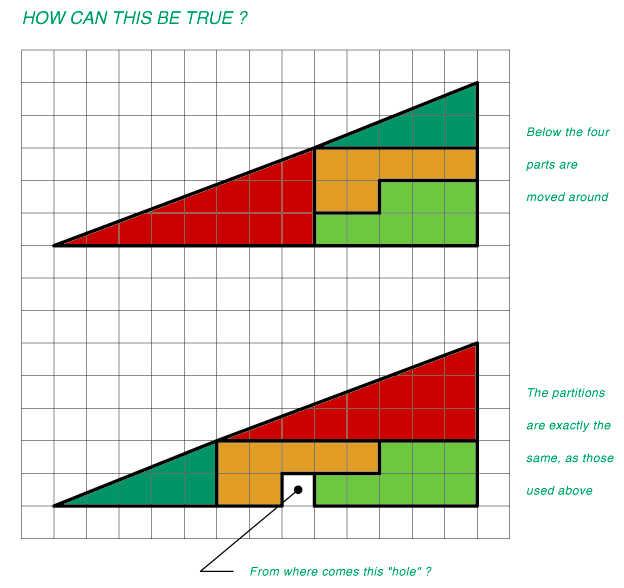
Learning makes us think.
Thinking is what we are all about. We have to be thinking to get through our days, to enjoy everything about the day, and to keep us moving forward into the days to come. Here is a puzzle to get you thinking. I know that I am a math person, so my method of analyzing this puzzle is different from the way you may view this. I like all kinds of puzzles and hope to share some more of these as I make more pages and links here.
Teach Them To Think
Starting from the earliest grades, teachers have to have in mind that they are teaching students to think. We get focused on curriculum and material that has to be covered, rather than focusing on the learner. The curriculum helps set the content, the topics and lessons which will be part of the class time each day. We have to ask in what ways are we asking students to think and how are we communicating the aspects and level of thinking that is being asked of the students. The curriculum will have the problems and questions for which the students will respond with written work. Marzano’s instructional strategies help choose the ways to present and go over that work. I know Bloom’s Taxonomy for higher order of thinking can be used to decide what questions to ask during the lesson, especially the ones being answered verbally. I am suggesting here to always question in what ways students are being asked to think and that you are developing those thinking skills rather than pouring any quantity of knowledge into them.
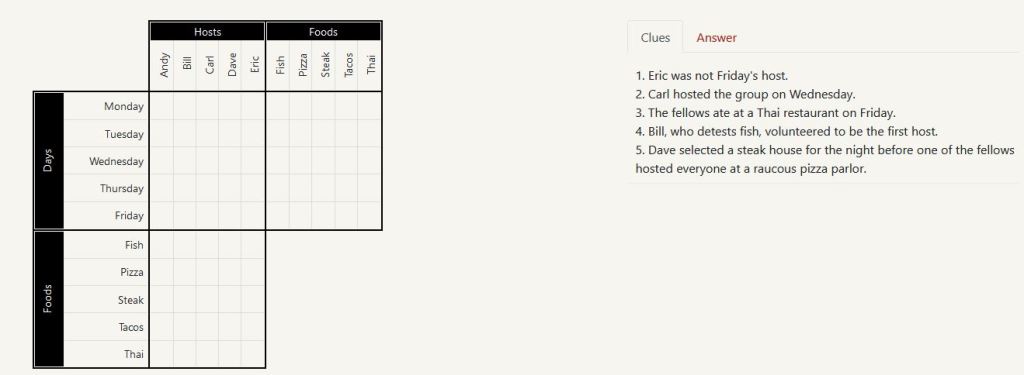
Fun ways to think.
Riddle: One of the four words does not belong with the other three. Which word does not belong? What is it that the others have in common?
1. Green, yellow, red, blue.
2. April, December, November, June.
3. Cirrus, calculus, cumulus, stratus.
4. Carrots, radishes, potatoes, cabbages.
5. Fork, comb, rake, shovel.
Hoping to have other resources on learning to share soon.
Enjoy a sunset over the pond and About Me below the picture

About Me
Earned an Educational Doctorate degree from Walden University in 2018 and have taught mathematics for about 30 years. Yet, the best thing that I can say that I still have a lot to learn about teaching. I hope to contribute in a positive way through my writings here, both to educators and to anyone interested in understanding more about learning.
 Doc Dave DeWitt